
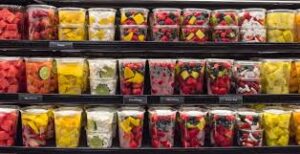
 Walk into any grocery store or scroll through a food delivery app, and you’ll quickly realize: packaging isn’t just packaging anymore. In India’s ever-evolving food market, how food is packed is just as important as what’s inside it. From keeping your biryani warm during delivery to making a strong first impression on a store shelf—packaging plays a much bigger role than we sometimes give it credit for.
In this blog, we take a closer look at how the Indian food packaging landscape is changing—driven by sustainability, tech innovation, consumer demand, and a tightening regulatory grip.
1. First Things First: What the Regulations Say
In India, food packaging is closely monitored by the FSSAI (Food Safety and Standards Authority of India). Whether you’re a cloud kitchen, a snack brand, or a homemade pickle business, you’re expected to follow some important rules:
- Have a valid FSSAI license
- Register for GST and other local trade permissions
- Comply with standards for packaging materials and labeling
That’s not all. If you’re using plastic, be ready for more scrutiny. The Plastic Waste Management Rules and the EPR (Extended Producer Responsibility) framework are tightening regulations around plastic use. There’s even talk about mandatory barcoding on plastic packaging for better tracking.
So, if you’re in the food business, staying updated on these rules isn’t just a good idea—it’s essential.
2. Sustainable Packaging: From Buzzword to Business Imperative
Sustainability isn’t a trend anymore—it’s an expectation. More and more Indian brands are shifting towards packaging that’s earth-friendly, and for good reason. Consumers are asking tougher questions like:
- Is this box compostable?
- Can I recycle this pouch?
- What happens to this plastic after I throw it away?
Some of the materials gaining popularity include:
- Biodegradable containers made from bagasse or corn starch
- Recyclable paperboard and kraft
- paper wraps
- Recycled plastic (yes, plastic can be part of the solution too)
- Glass and metal tins for premium, reusable packaging
Each option has its pros and cons, but one thing’s clear: reducing single-use plastic is the way forward.
3. Design That Speaks (and Sells)
Packaging design is no longer just about looking pretty. It’s about being smart, sustainable, and solving real-world problems.
Here’s what’s trending:
- Minimalist branding with earthy tones and bold eco-messages
- Single-serve packaging for convenience on the go
- Resealable pouches that keep food fresher for longer
- QR codes and smart labels that offer more product info or track freshness
Good packaging doesn’t just protect food—it tells a story. And in crowded urban markets, design often makes the first impression before the taste ever does.
4. How E-Commerce & Delivery Changed the Game
The rise of food delivery apps and online grocery stores has completely transformed packaging needs. It’s not just about shelf presence anymore—it’s about durability, insulation, and smart logistics.
Packaging now needs to:
- Survive rough delivery routes and changing temperatures
- Be tamper-evident for consumer trust
- Keep food warm (or cold) until it reaches the customer
Think of those double-insulated containers for ice cream or vacuum-sealed trays for marinated meats—they’re all packaging responses to a new world of e-commerce and on-demand eating.
5. What’s New in Tech? More Than You’d Think
India’s packaging scene is also seeing some cool tech rollouts:
- Active packaging that interacts with the food to extend shelf life
- Modified Atmosphere Packaging (MAP) that controls oxygen and moisture inside
- Nanotechnology for lightweight but strong materials
- Automation and AI-powered robotics in factories for faster, cleaner, and more consistent packaging
These are no longer just “big brand” technologies. Even mid-sized and local players are starting to adopt them to stay competitive.
6. The Big Picture: Market Growth & What Lies Ahead
India’s food and beverage packaging market is booming—and it’s only getting bigger. More urban households, rising incomes, busier lifestyles, and food startups are fueling the fire.
This opens up huge opportunities for: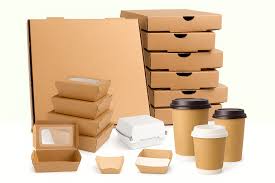
- Sustainable packaging startups
- Local manufacturers of compostable materials
- Brands willing to invest in R&D for smarter packaging
And the best part? Consumers are increasingly willing to pay a little more for packaging that’s eco-friendly or adds value.
7. Real-World Wins: What Indian Brands Are Doing Right
Let’s look at a few homegrown success stories:
- Paperboat champions recyclable Tetra Pak-style pouches and thoughtful, minimal design.
- Zomato has piloted biodegradable food containers for its deliveries.
- Amul continues to innovate with pouches that balance shelf life and sustainability.
These examples show that big impact doesn’t always need big budgets—it needs big intent.
8. The Competitive Landscape: Who’s Who
India’s food packaging industry includes a mix of global giants and agile Indian innovators. Key players include: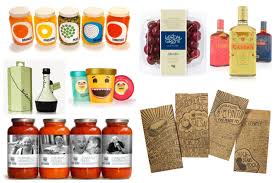
- UFlex and Essel Propack for flexible packaging
- TCPL Packaging and Parksons for cartons and rigid boxes
- A rising wave of D2C and regional players developing niche, sustainable alternatives
Everyone’s racing toward the same goal: better, greener, smarter packaging.
9. What’s Next? Our Predictions
So, what does the future of food packaging look like in India?
We expect to see: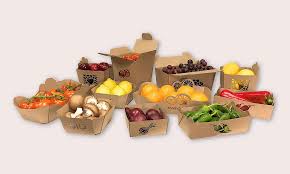
- Smart packaging that talks to your phone or monitors freshness
- Custom solutions for vegan, gluten-free, or baby food brands
- A bigger push toward returnable and refillable formats
- And most importantly, a shift in consumer expectations—where packaging is as important as the product inside.
Final Thoughts
India’s food packaging industry is at a turning point. Whether you’re a food entrepreneur, a packaging supplier, or a curious consumer, there’s no ignoring the shift toward innovation, regulation, and responsibility.
The packaging that holds our food is starting to hold our values too—about the planet, about health, and about trust. And in that, lies both a challenge and an incredible opportunity.